
Massage Therapy in North Vancouver
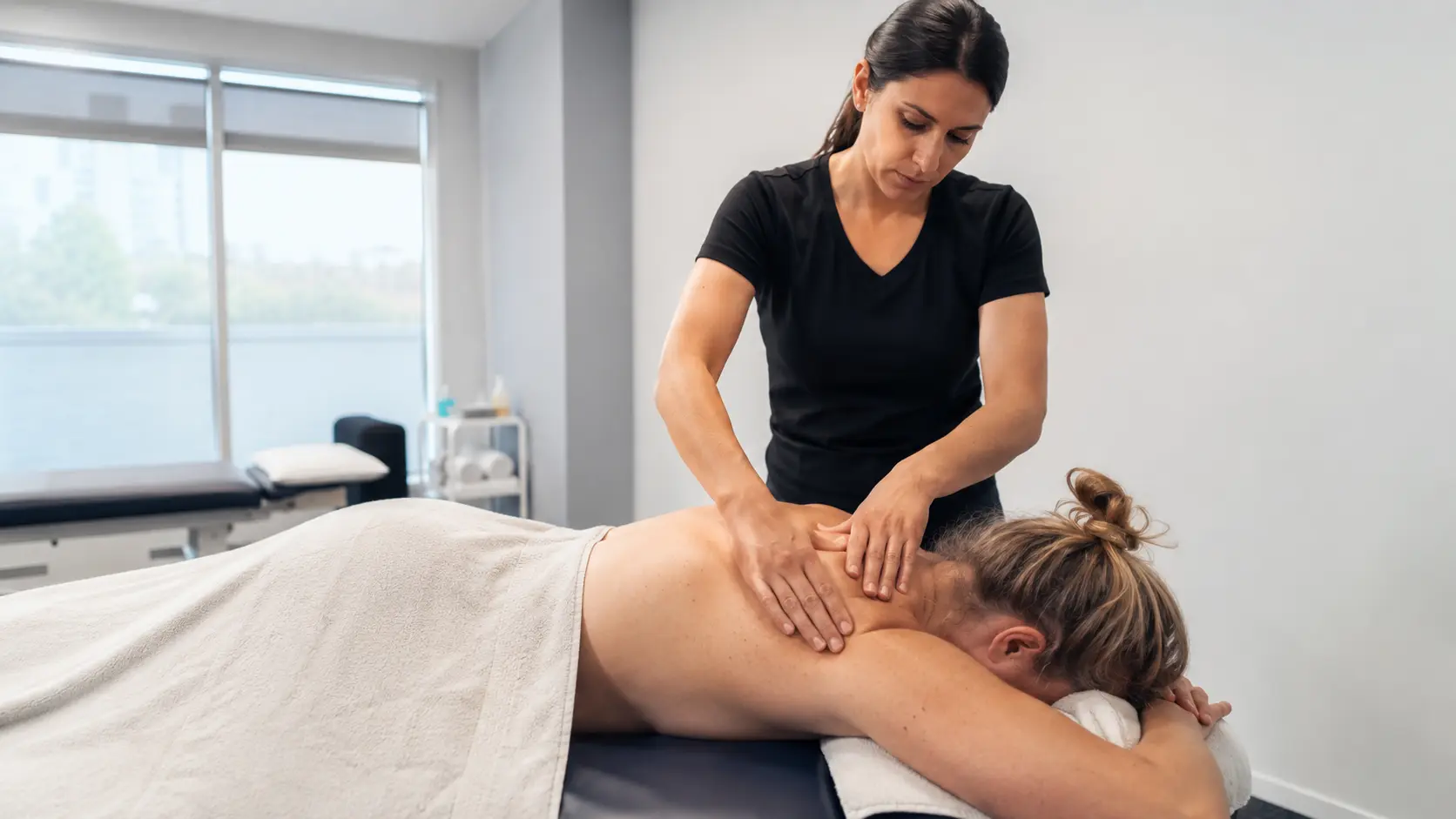
Our Registered Massage Therapists provide personalized massage therapy in North Vancouver for muscle tension, everyday aches, and physical strain related to work, exercise, or daily activities. Each session is adjusted based on how your body feels, your needs, and your preferences.
Treatment may include:
- myofascial release
- Swedish massage
- trigger point therapy
- deep tissue techniques
- or a more relaxation-focused approach
depending on your needs.
Why Choose Zone 4 for Massage Therapy?
A good massage should not feel like the same routine is being used for every person.
At Zone 4, treatment starts with listening to what is bothering you and understanding what you want to get out of your appointment.
| Massage Therapy Feature | What to Expect |
|---|---|
| Care from Registered Massage Therapists | Your treatment is provided by a Registered Massage Therapist (RMT). Your therapist will take the time to understand your concerns and choose techniques that fit your needs, comfort level, and goals. |
| Treatment Built Around You | Some people come in because of an injury or ongoing muscle tension. Others want help managing soreness from work, exercise, or everyday activities. Treatment may focus on one area or several areas, depending on what you are experiencing. |
| Pressure That Works for You | Massage does not have to be painful to be effective. Your therapist can adjust the pressure throughout the session based on your comfort and the type of treatment you need. You are encouraged to speak up if you would like more or less pressure. |
| More Services in One Clinic | Massage therapy can be used on its own or alongside other forms of care when needed. Zone 4 also offers physiotherapy, acupuncture, chiropractic care, and other rehabilitation services, making it easier to coordinate different parts of your recovery in one place. |
What Is Registered Massage Therapy?
Registered Massage Therapy is a hands-on healthcare service that focuses on muscles, soft tissues, joints, and movement.
Before treatment, your RMT will ask about your health, symptoms, and goals. They may also assess areas of tension, movement, or discomfort to help decide which techniques are best suited to you.
Treatment may involve different levels of pressure and different hands-on techniques depending on the reason for your visit.
Some sessions focus on a specific area that is sore or tight. Others may have a broader focus on relaxation, mobility, or general muscle tension.
Your treatment should always be based on your needs rather than following the exact same routine at every appointment.
Why Do People Book Massage Therapy?
People seek massage therapy for many different reasons.
You may be dealing with discomfort from sitting at a desk all day, recovering from an injury, feeling sore after exercise, or simply carrying more tension than usual.
Common reasons people may book an appointment include:
- Tight or sore muscles
- Neck and shoulder tension
- Back tension or discomfort
- General stress and relaxation
- Limited movement or stiffness
- Discomfort after a car accident
- Muscle soreness after exercise
- Sports-related strains and overuse
- Ongoing muscle or soft-tissue discomfort
- Headaches associated with muscle tension
- Repetitive strain from work or daily activities
Massage therapy is not a guaranteed cure for pain or injury, and the results can be different for each person. Your RMT will assess your concerns and discuss whether massage therapy makes sense for you.
Massage Techniques Available at Zone 4
Different massage techniques can serve different purposes. Your therapist may use one approach throughout your session or combine techniques based on your needs.
| Massage Technique | What It Involves |
|---|---|
| Swedish Massage | Swedish massage typically uses smooth, flowing movements and lighter to moderate pressure. It can be a good option for people who want to relax while also addressing general muscle tension. The pressure can be adjusted throughout the session based on your preference. |
| Deep Tissue Massage | Deep tissue massage uses more focused pressure to work with deeper layers of muscle and connective tissue. It may be useful when certain areas feel particularly tight or when muscle tension has been present for a longer period. Deep tissue treatment does not need to be extremely painful. Your therapist will adjust the pressure based on your comfort and how your body responds. |
| Myofascial Release | Fascia is connective tissue that surrounds and supports muscles and other structures throughout the body. Myofascial techniques use steady, hands-on pressure and movement to work with areas that feel restricted or tight. Your therapist may include these techniques when working on mobility, stiffness, or soft-tissue tension. |
| Trigger Point Therapy | A trigger point is a sensitive area within a muscle that can feel tight or tender when pressure is applied. Trigger point therapy uses focused pressure on these areas. Your therapist may include this technique when working with specific areas of muscle tension or discomfort. |
| Relaxation Massage | Not every massage appointment needs to be focused on an injury. A relaxation-focused session uses comfortable pressure and slower movements to help you unwind and reduce general muscle tension. Your therapist can still adjust the session if there are areas you would like them to spend more time on. |
Massage Therapy for Back, Neck, and Shoulder Tension
Back, neck, and shoulder tension is common, especially for people who spend long hours sitting, working at a computer, driving, or repeating the same movements throughout the day.
Physical activity can also contribute to tight or sore muscles.
Massage therapy may help reduce muscle tension and make movement feel more comfortable for some people.
Your RMT may focus treatment on the areas that are bothering you while also looking at nearby muscles that could be contributing to the tension.
If your symptoms involve weakness, significant changes in movement, or an injury that may need active rehabilitation, another service may also be recommended.
Massage Therapy for Active People and Sports Injuries
You do not need to be a professional athlete to feel the effects of physical activity.
Running, hiking, cycling, skiing, strength training, team sports, and even a busy weekend outdoors can leave muscles feeling tight or sore.
Massage therapy may be used to address:
- Muscle tension during injury recovery
- Post-workout soreness
- Muscle tightness
- Repetitive strain
- Areas of overuse
- General stiffness
Treatment depends on what is happening and where you are in your recovery.
If you are dealing with an injury that also requires strength, mobility, or exercise-based rehabilitation, massage therapy can sometimes be combined with our physiotherapy in North Vancouver services as part of a broader recovery plan.
The goal is not to add more treatment than you need. It is to choose the type of care that makes the most sense for your situation.
What to Expect at Your First Massage Appointment
If this is your first time seeing an RMT, knowing what happens before and during your appointment can make the experience more comfortable.
| Step | What to Expect |
|---|---|
| 1. We Start With a Conversation | Before treatment begins, your therapist will ask about the reason This may include questions about:
This information helps your therapist plan your treatment safely. |
| 2. Your RMT May Assess the Area | Depending on your symptoms, your therapist may look at your movement or check certain muscles and areas of tension before treatment begins. Not every appointment requires the same type of assessment. |
| 3. Your Treatment Is Explained | Your therapist will discuss the areas they plan to treat and the techniques they may use. If you have questions or preferences, this is a good time to mention them. |
| 4. Treatment Begins | Your therapist will use hands-on techniques based on your treatment plan. Pressure can be adjusted at any time. You should always feel comfortable telling your therapist if something feels too intense or if you would like them to spend more time on a particular area. |
| 5. We Review How You Feel | After your session, your therapist may ask how you feel and discuss any next steps. They may also suggest simple movement, stretching, or self-care strategies when appropriate. |
Does Massage Therapy Have to Hurt?
No.
A common misconception is that a massage needs to be painful to work.
Some techniques, especially deeper or more focused work, can feel intense or tender in certain areas. However, treatment should still stay within a level that feels manageable to you.
More pressure is not automatically better.
Tell your therapist if the pressure feels uncomfortable. They can make adjustments throughout your session.
Good communication is an important part of massage therapy.
Is Massage Therapy Safe?
Massage therapy is generally considered safe for most people when provided by a qualified professional.
However, your health history can affect how treatment should be approached.
Before your session, let your therapist know if you:
- Have a recent injury
- Recently had surgery
- Have a recent fracture
- Have a bleeding disorder
- Take blood-thinning medication
- Are feeling unwell or have a fever
- Have a skin infection or open wound
- Have a medical condition that may affect treatment
Your RMT may adjust the techniques, pressure, or areas being treated based on this information.
In some cases, it may be better to postpone treatment or speak with another healthcare professional first.
Massage Therapy After a Car Accident
Muscle soreness, stiffness, and tension can continue after a motor vehicle accident.
Registered Massage Therapy may be one part of your recovery plan depending on your injuries and your ICBC claim.
If you have an active claim, have your ICBC claim number available when you contact the clinic.
Our team can help you understand the information needed to book your appointment and answer general questions about the billing process.
Coverage depends on your claim and current ICBC requirements, so any questions about your specific benefits should be confirmed before treatment.
Insurance and Direct Billing
Many extended health plans include coverage for treatment provided by a Registered Massage Therapist.
However, every insurance plan is different.
Before your appointment, it is a good idea to check:
- Your annual coverage limit
- Whether you need a referral
- Whether direct billing is available
- How much your plan covers per visit
- How much you may need to pay yourself
- Whether massage therapy is included in your plan
Direct billing may be available for participating insurance plans.
Our front desk can help with general billing questions, but your insurance provider will have the final information about your specific coverage.
Can Massage Therapy and Physiotherapy Be Used Together?
Yes, when it makes sense for your needs.
Massage therapy and physiotherapy can play different roles in recovery.
How Often Should I Get a Massage?
There is no schedule that works for everyone.
How often you book may depend on:
- Your goals
- Your symptoms
- Your activity level
- Why you are coming in
- Your insurance coverage
- How long you have had the problem
- How your body responds to treatment
Someone dealing with a recent injury may have different needs from someone booking massage for occasional muscle tension or relaxation.
Your RMT can discuss the options with you after learning more about your situation.
How to Prepare for Your Massage Therapy Appointment
You do not need to do much before a massage therapy session.
A few simple things can help make your appointment more comfortable:
- Mention any recent injuries or surgeries
- Speak up about your pressure preference
- Arrive a few minutes early if it is your first visit
- Let your therapist know which areas are bothering you most
- Be ready to discuss your health history and current symptoms
- Bring your insurance information if you plan to use extended health benefits
- Bring your ICBC claim information if your treatment is related to a car accident
- Tell your therapist about medications or health conditions that may affect treatment
You can also ask questions at any point before, during, or after your session.
Book Your Massage Therapy Appointment
Whether you are dealing with muscle tension, soreness, an injury, or simply want some time to relax, our team is here to help.
At Zone 4 Physiotherapy & Wellness Centre, your treatment is based on your needs, comfort, and goals.
North Vancouver, BC V7M 1T3
Frequently Asked Questions
What is massage therapy?
Massage therapy is a practice that involves the manipulation of soft tissues in the body, such as muscles, tendons, and ligaments, to relieve tension, reduce stress, improve circulation, and promote overall relaxation and well-being.
What are the benefits of massage therapy?
Massage therapy offers numerous benefits, including reduced muscle tension and pain, enhanced relaxation, improved circulation, boosted immune function, better sleep, and support for injury recovery and rehabilitation. It also increases flexibility and range of motion.
What types of massage do you offer?
We offer a variety of massage techniques, including Swedish massage, deep tissue massage, sports massage, prenatal massage, hot stone massage, and aromatherapy massage. Each type of massage is tailored to meet individual needs and preferences.
How often should I get a massage?
The frequency of massage sessions depends on your personal needs and goals. For general wellness and stress relief, a monthly session may be sufficient. For chronic pain or injury recovery, more frequent sessions, such as weekly or bi-weekly, may be beneficial.
Is massage therapy safe?
Yes, massage therapy is generally safe when performed by a trained and licensed therapist. However, it is important to inform your therapist of any medical conditions, allergies, or concerns before the session to ensure a safe and effective treatment.