Many people experience muscle tension, stiffness, stress, or discomfort that affects their daily activities. Whether it comes from long hours at a desk, an active lifestyle, sports, previous injuries, or everyday stress, these issues can gradually impact how your body feels and moves. Registered Massage Therapy (RMT) is a form of hands-on care that focuses …

Many people experience muscle tension, stiffness, stress, or discomfort that affects their daily activities. Whether it comes from long hours at a desk, an active lifestyle, sports, previous injuries, or everyday stress, these issues can gradually impact how your body feels and moves.
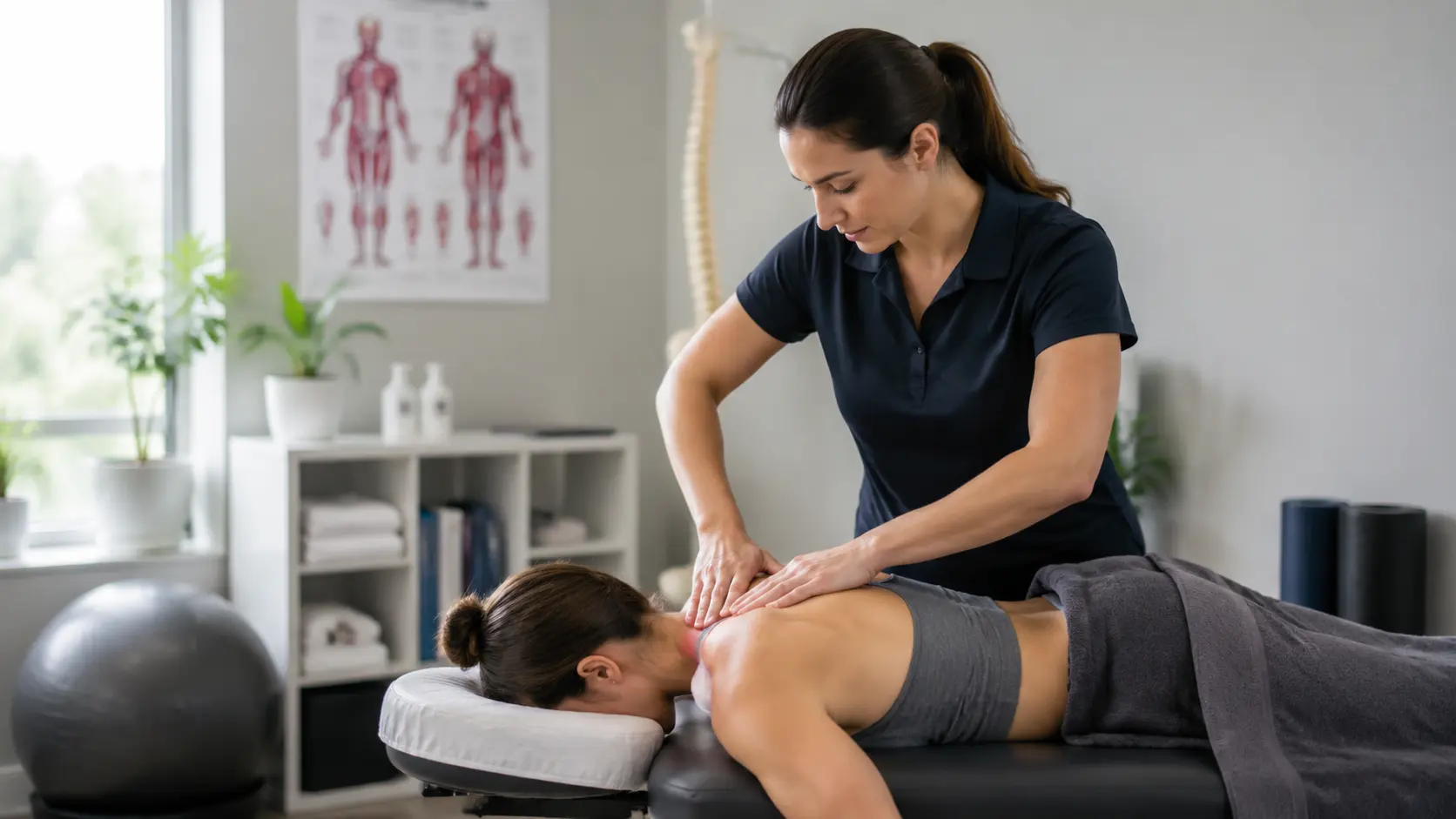
Registered Massage Therapy (RMT) is a form of hands-on care that focuses on the muscles, connective tissues, and soft tissues of the body. Beyond relaxation, many people use massage therapy as part of their overall wellness routine to support recovery, improve mobility, and manage areas of physical tension.
For active individuals, office workers, and people recovering from injuries in North Vancouver, RMT can be a valuable part of maintaining healthy movement and supporting the body’s natural recovery process.
In this guide, we will explore what RMT is, the potential benefits of RMT, and how it may support your physical well-being.
What Is Registered Massage Therapy (RMT)?
Registered Massage Therapy is a regulated healthcare profession in many parts of Canada where trained professionals use hands-on techniques to assess and treat soft tissues of the body.
A Registered Massage Therapist (RMT) has completed specialised education and clinical training to understand anatomy, movement patterns, and different massage techniques designed to address individual needs.
Unlike a general relaxation massage, RMT sessions are often focused on specific goals, such as:
- + Improving mobility
- + Reducing muscle tension
- + Promoting relaxation and stress reduction
- + Supporting recovery after physical activity
- + Managing discomfort related to muscle and soft tissue issues
During an appointment, an RMT may use techniques such as:
- + Deep tissue massage
- + Myofascial techniques
- + Soft tissue manipulation
- + Trigger point techniques
- + Gentle mobility techniques
The approach depends on each person’s condition, goals, and comfort level.
What Are the Benefits of RMT?
RMT may offer several benefits for people dealing with muscle tension, physical stress, or recovery needs. While every person responds differently, many individuals include RMT as part of a broader approach to maintaining movement and wellness.
Reduce Muscle Tension and Stiffness
Massage therapy can help address muscle tightness caused by daily habits, exercise, repetitive movements, or poor posture. It may help relax tense muscles, improve comfort, and support better movement in areas such as the neck, shoulders, back, and hips.
Support Recovery After Exercise
Active lifestyles can place stress on muscles and soft tissues. Registered Massage Therapy can be part of a balanced recovery routine by helping reduce muscle tightness, promote relaxation after activity, improve mobility, and prepare the body for future exercise.
Improve Mobility and Range of Motion
Healthy movement depends on flexibility, joint mobility, and how different parts of the body work together. RMT may support improved flexibility, easier movement, reduced stiffness, and better awareness of how your body moves.
Manage Stress and Promote Relaxation
Stress can contribute to physical tension, including tight muscles, jaw clenching, and difficulty relaxing. Massage therapy may help reduce muscle tension, encourage relaxation, and support overall physical well-being.
Support Better Movement Habits
Daily postures, work activities, sports, and previous injuries can influence how the body moves over time. RMT can help improve body awareness and support healthier movement habits when combined with exercise and proper rehabilitation strategies.
Who Can Benefit From RMT?
Registered Massage Therapy may be suitable for many different people, including:
| Who It May Help | Details |
|---|---|
| Office Workers | People who spend long hours at a desk may experience neck tension, shoulder discomfort, upper back tightness, and postural strain. Massage therapy may help address areas affected by prolonged sitting and repetitive positions. |
| Athletes and Active Individuals | Registered Massage Therapy may support exercise recovery, muscle relaxation, mobility maintenance, and preparation for physical activity. |
| People Recovering From Injuries | Massage therapy may be included as part of a broader recovery approach alongside exercise therapy and physiotherapy to support recovery goals. |
| Individuals Experiencing Everyday Muscle Tension | Daily activities, stress, and lifestyle habits can contribute to muscle tension. Massage therapy may help support mobility and overall physical wellness. |
RMT and Physiotherapy: How They Work Together
Massage Therapy and physiotherapy often complement each other because they focus on different aspects of movement and recovery.
Physiotherapy commonly focuses on:
- Movement assessment
- Strength improvement
- Exercise-based rehabilitation
- Functional recovery
Massage Therapy focuses more on:
- Soft tissue techniques
- Muscle relaxation
- Supporting mobility
- Reducing areas of tension
For some individuals, combining both approaches can provide a more complete strategy for improving movement and returning to daily activities.
At Zone 4 Physiotherapy & Wellness Centre in North Vancouver, patients can access different treatment approaches designed around their personal goals.
Choosing RMT in North Vancouver
Finding the right healthcare provider is an important part of your recovery and wellness journey.
A quality RMT experience should include:
- A personalised assessment
- Clear communication
- Treatment based on your needs
- A comfortable and professional environment
If massage therapy sounds like the right option for your needs, our Massage Therapy in North Vancouver services provide personalized care based on your symptoms, lifestyle, and recovery goals.
At Zone 4 Physiotherapy & Wellness Centre, our team focuses on providing personalized care to help patients move better, feel stronger, and support their recovery goals.
Our clinic also offers convenient options such as direct billing for many extended health insurance plans, helping make accessing care easier.
While massage therapy can help reduce muscle tension and discomfort, some conditions may require a more comprehensive approach that includes Physiotherapy in North Vancouver for long-term recovery and improved mobility.
Frequently Asked Questions About RMT
What does a Registered Massage Therapist do?
A Registered Massage Therapist uses specialized hands-on techniques to assess and treat muscles, soft tissues, and areas of tension. Treatment is adapted based on each person’s needs and goals.
No. Many people use RMT for different reasons, including muscle tension, stress management, recovery after physical activity, and maintaining mobility.
Final Thoughts
Registered Massage Therapy offers more than temporary relaxation. For many people, it can be a valuable part of maintaining mobility, supporting recovery, and managing everyday muscle tension.
Whether you are recovering from physical activity, dealing with work-related stiffness, or simply looking to support your overall wellness, RMT may be a helpful addition to your healthcare routine.
At Zone 4 Physiotherapy & Wellness Centre in North Vancouver, our team provides personalised care designed around your individual needs and goals.
To learn more about how Registered Massage Therapy may support your recovery and wellness journey, contact Zone 4 Physiotherapy & Wellness Centre or book an appointment today.

Zone 4 Physiotherapy Clinical Team